
Banking is stretching its legs. Its main mission might still be balances and bills, but it���s also phones, travel data, game culture, groceries, even sports pits. In Europe, the most interesting shifts are practical, a little playful, and surprisingly useful. They live where payments meet identity and where data turns spending into a very personal service.
Let's go "beyond banking" and see how better transaction data (clean names, merchant logos, categories, attributes, even recurring-spend signals) lets you ship products people actually use.
Cards That Feel Collectible
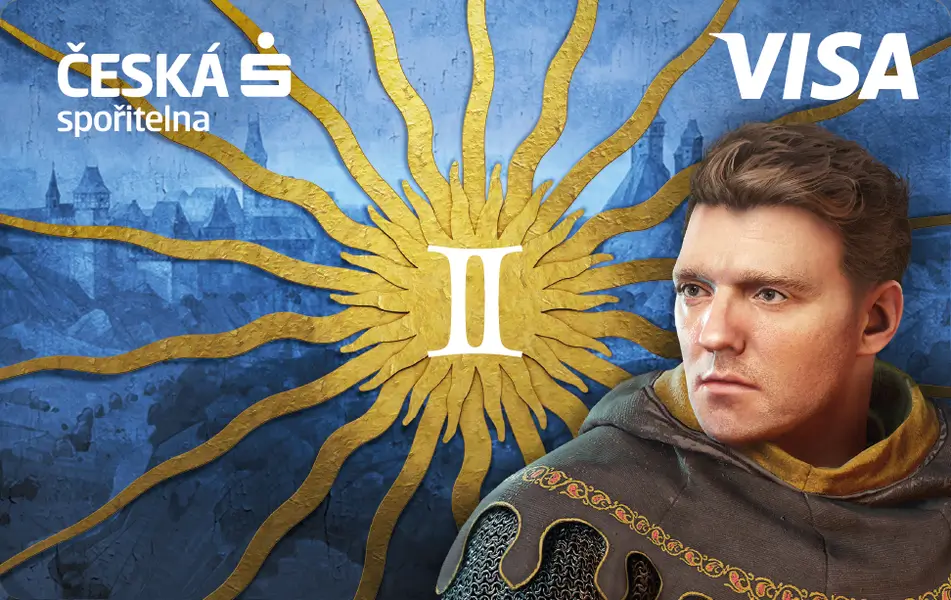
Gaming is huge and banks are starting to realise they can attract a lot of new customers through pure fan service. ��esk獺 spo��itelna and Warhorse Studios didn���t just co-brand a card; they that lights up using the terminal���s NFC field - 2,000 units only, themed to famous Czech videogame Kingdom Come: Deliverance II. It���s a small design moment that fans remember because it���s both useful and a bit magical.
What insights can you extract from data:
- Recognise the game economy: When a customer pays on Steam, PlayStation Store or buys DLC, enriched data (clean merchant name + logo + category + platform) lets you theme the experience in-app for that moment - card artwork, feed flair, or contextual tips.
- Surface meaningful perks: If the cardholder spends with a specific IP (say, purchases tied to a franchise), you can trigger time-boxed boosters (cashback or XP-style rewards) without making them hunt inside menus.
- Measure the love: Map those ���IP-adjacent��� transactions to retention and ARPU metrics. Theme cards might be limited, but their downstream engagement isn���t.
Want to learn more?
Read how is gamification in baking leveling up user engagement.
Beyond Money: Banks Offering SIMs, Travel Data and Daily Life Perks
Banking is slowly moving from simple finance to connectivity or lifestyle, giving customers even more reasons to use their services.
N26 SIM (powered by Vodafone���s 5G), with digital activation and a roadmap to expand. They���ve since added a Travel eSIM covering 100+ countries, purchasable inside the app. This positions the bank as your travel hub, not just your FX card.
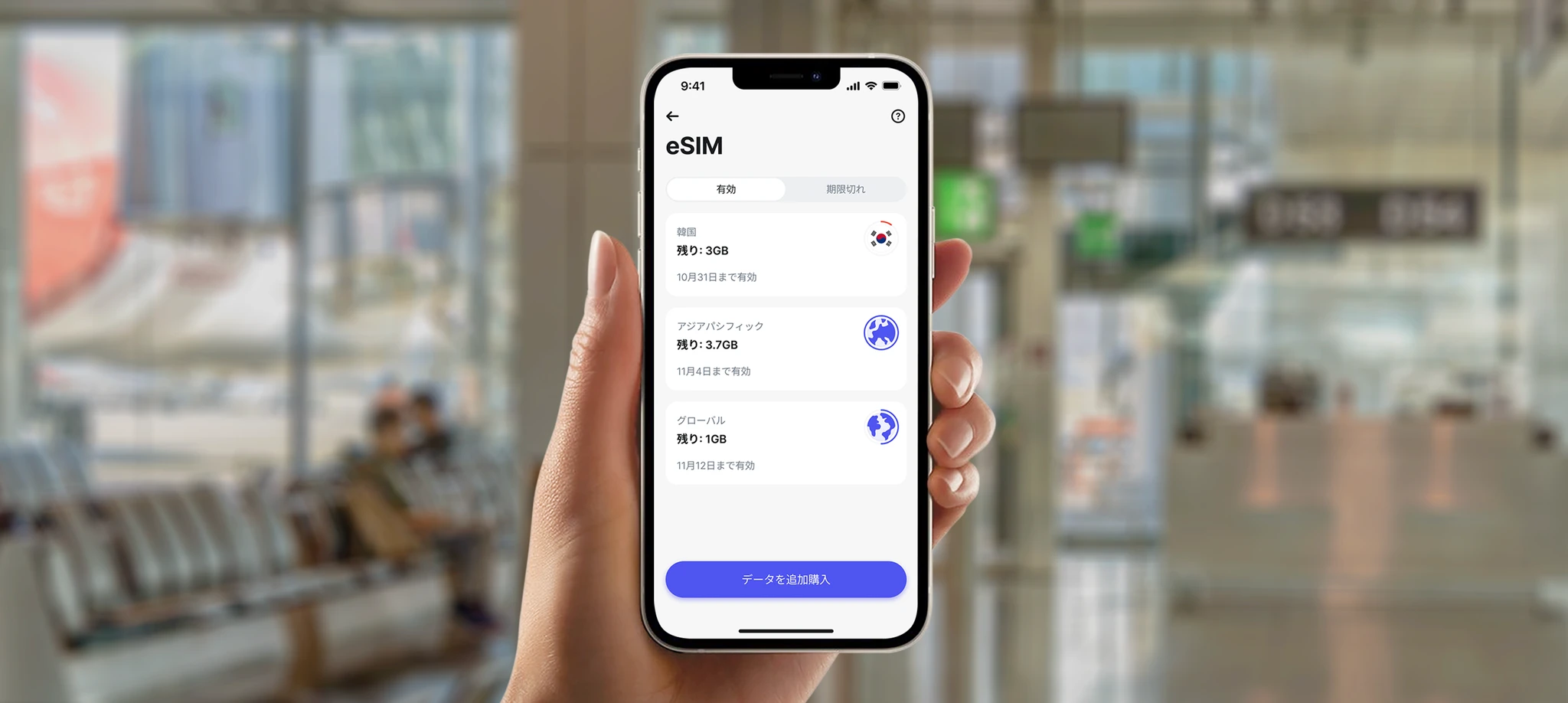
Revolut to EEA markets in 2024 and has been building toward fuller mobile plans. Millions of activations, according to industry analysis, and continued expansion into a direct mobile service in key markets.
In Czechia, Partners Banka �� 賊棗堯梭穩域 connected finance to groceries shopping - a partnership formalised in the , with premium services like free shipping, offered to clients. That���s a bank stepping into your weekly routine that goes deeper than the transactions lists in your banking app.
What insights can you extract from data:
- One merchant, many meanings: Telecom descriptors are messy. Enrichment turns ���top-up 1GLOBAL_xx��� into ���N26 Travel eSIM ��� 5GB EU��� with a logo and a ���Connectivity & Roaming��� category - so your analytics and customer UX speak human.
- Recurring vs. ad-hoc: Detect subscription-like behavior (monthly plan renewals) vs episodic travel packs. That distinction powers proactive nudges like ���Your data pack runs out in 2 days��� - and calmer support queues.
- Lifestyle bundles: Link 賊棗堯梭穩域 spending to household finance. With enriched merchant identity and basket-level tags (where partnerships allow), banks can test ���family week��� perks or healthy-basket cashback without blunt, category-only tags.
The most important part? None of this feels like a bank feature on the surface. It���s not boring, hard to understand. It���s ���my phone works abroad,��� ���my shopping is faster,��� ���my perks showed up when I needed them.��� It's data working for you.
Esports, F1, and the Credibility Game
Esports is a serious media channel, slowly overshadowing even the biggest sporting events. Just like with gaming, finance brands have noticed.
tracks sponsorship ROI in esports; their analysis shows banks and financial firms actively sponsor teams, events, and leagues to meet younger, digital-native audiences where they already are.

Revolut has stepped beyond esports into - now title partner of the future Audi F1 Team from 2026. That���s global reach, huge story-telling room, and, frankly, swagger.
Crypto.com already sits pretty deep in motorsport and runs a large Visa card program. Its has been renewed in multi-year form. Meanwhile, Visa itself became a major Red Bull F1 partner (Visa Cash App RB). It's slowly becoming about something more than just banking. They are integrating payments into fan culture. ��
What insights can you extract from data:
- Sponsorship you can prove: Enrich transactions to identify ���fan signatures��� - game store spend, event tickets, streaming subs, team merch - then track uplift during a sponsorship window. If Audi x Revolut runs a fan challenge, can you see incremental card usage among known F1 fans? Yes, if you can see the merchants clearly.
- Perks that aren���t generic: When the system detects ���F1 weekend + travel + food near circuit,��� you can surprise fans with small, context-aware benefits. It feels like hospitality, not a coupon.
Youth Banking That Actually Teaches
is a neat example of using game mechanics to teach kids (6���18) money skills. ���Money Missions��� are short lessons with videos, quizzes, and points - parents see progress; kids level up. GoHenry���s reach broadened after it combined with Acorns (and Pixpay in Europe).

What insights can you extract from data:
- Safer rails: With clean merchant names and categories, parents can set fine-grained controls (allowlist a grocery, block a loot-box vendor) without blunt ���card off��� rules.
- Right-time nudges: If the child buys game currency twice in a week, a gentle in-app ���budget checkpoint��� keeps habits healthy - no lecture needed.
- Family analytics: Show simple, bright charts - ���pocket money in, snacks vs. games out��� - with recognisable logos. That���s what helps financial habits stick.
Instant A2A Meets a European Wallet
From a more political perspective, two structural moves matter for ���beyond banking��� plays:
The EU Instant Payments Regulation (EU) 2024/886 makes the norm, with compliance milestones already landing in 2025. That means 24/7, 10-second money in the account. It���s the kind of speed gamers and travelers expect.
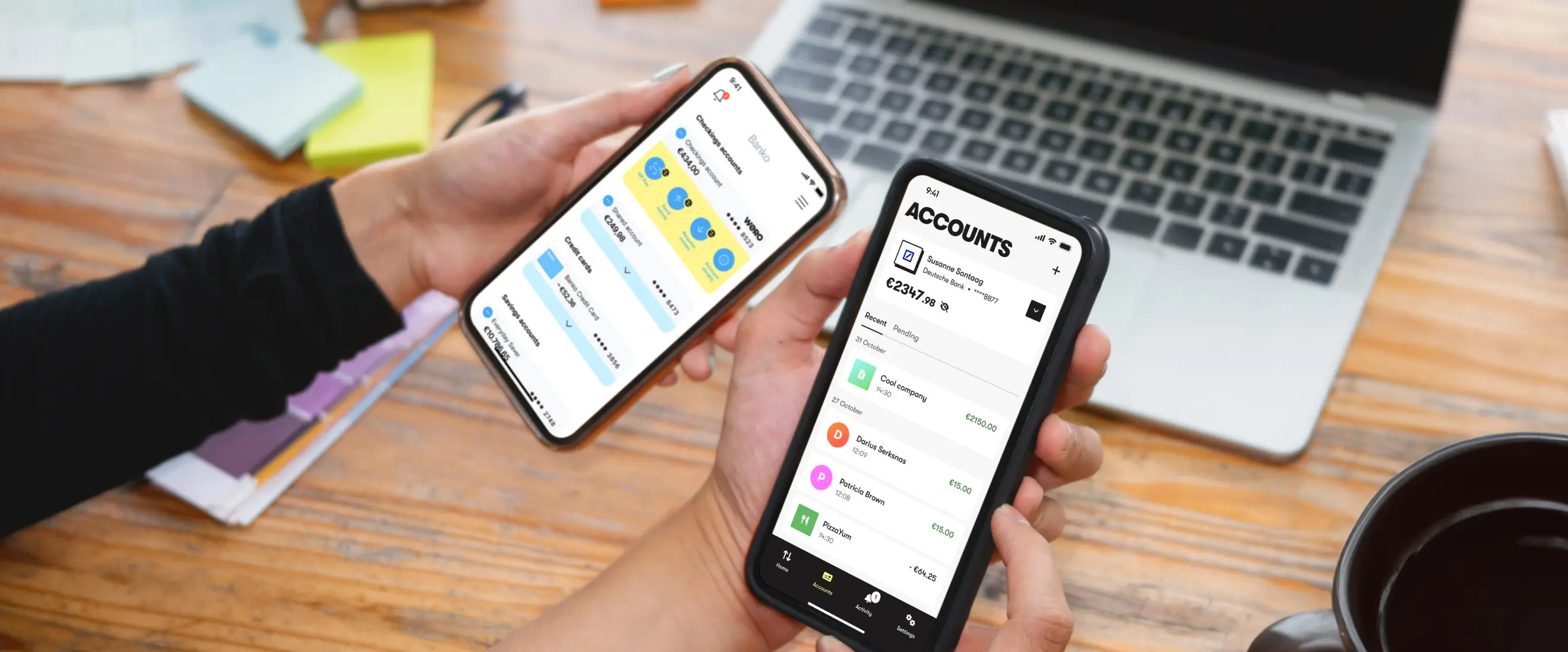
, from the European Payments Initiative (EPI), is rolling out as a European digital wallet for real-time - live across several markets, with plans for P2Pro, online and POS use, loyalty, and subscriptions. If it scales, we���ll see wallet-native flows in places where cards used to be the default.
What insights can you extract from data:
- A2A clarity: Instant transfers arrive with inconsistent descriptors. Enrichment fixes that - who was paid, what for, where���s the logo - so A2A doesn���t break your UX or analytics.
- Gaming-native flows: If Wero or instant A2A becomes common for tournament fees, LAN caf矇s, or merch pop-ups, your app can label those spends cleanly and bundle micro-perks on the fly. ��
Why This Matter, and Why Now
European consumers are spending more on gaming entertainment - +16.7% YoY in 2024 - and they transact more often than non-gamers across categories. Meanwhile, wallets like Wero and the Instant Payments Regulation bring speed and reach that suit real-time culture - streaming, matches, travel, gigs. Put simply: the audience is ready.
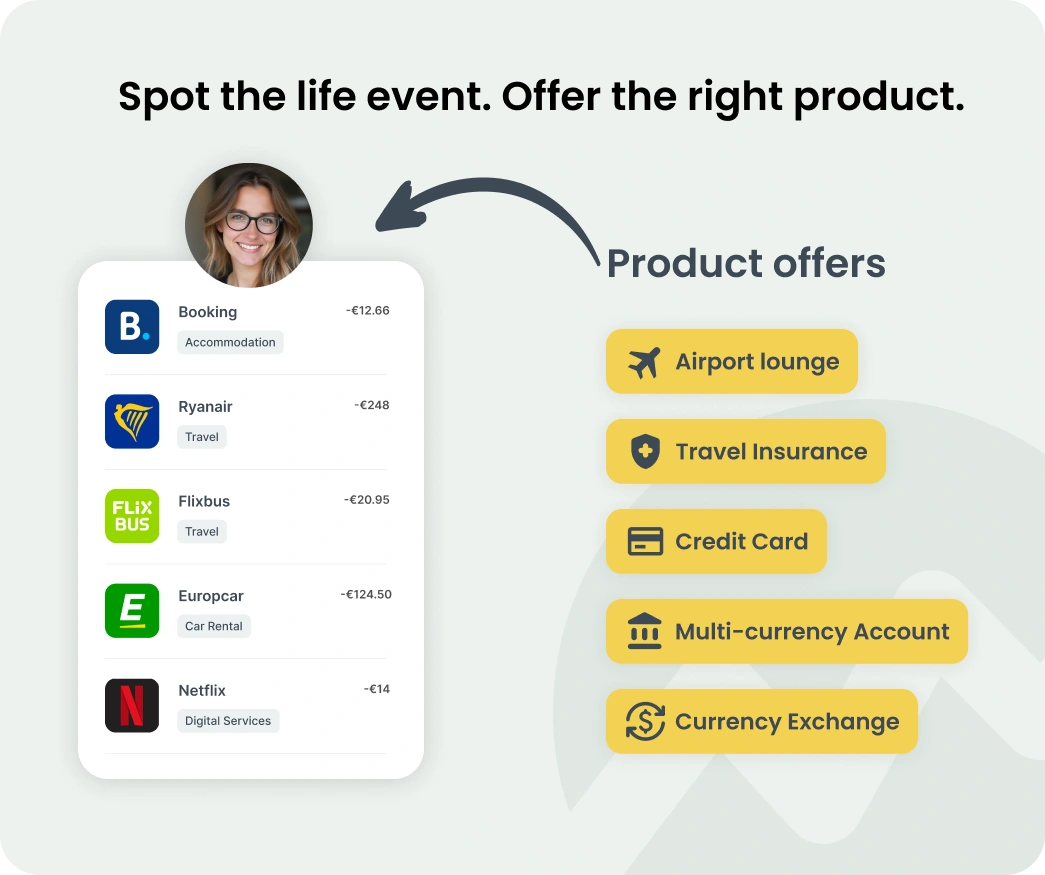
Banks that win will quietly turn transaction exhaust into customer experience ��� customise a card at the right moment, show a logo that makes sense, attach a perk that���s timely, and measure the lift like a growth team, not a guess.
For more details on how enrichment solutions can benefit your bank, explore the 58勛圖 offerings.
